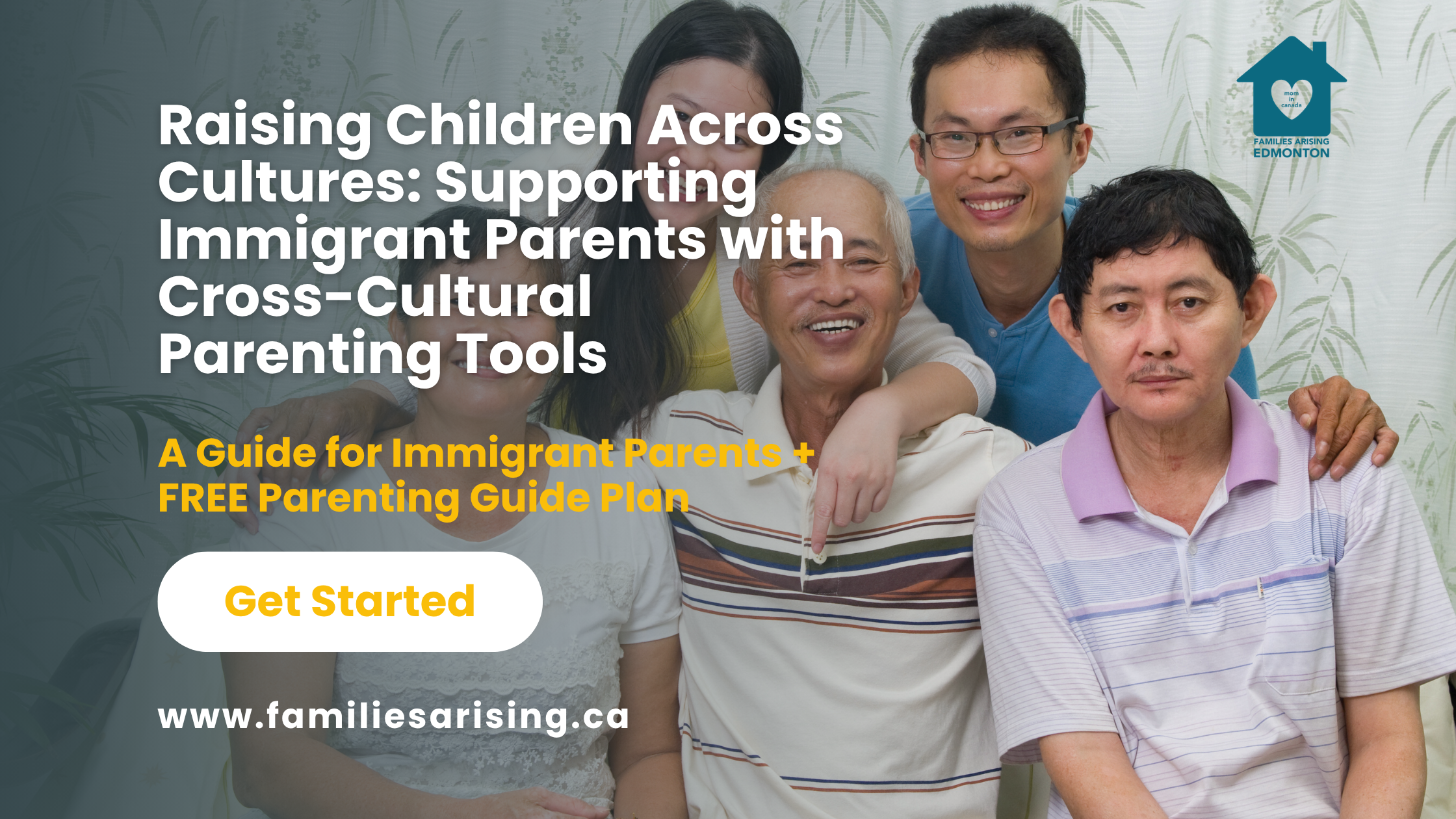
If you are an immigrant parent in Canada, you may have noticed your children growing up between two worlds: the culture of home, and the culture of school, friends and everything around them. Raising children across cultures brings real challenges. It can also become one of your family’s greatest strengths.
In this guide, you will learn the common challenges bicultural families face, six practical ways to help your children thrive, conversation starters for every age and how to handle cultural clashes at home.
Why raising children across cultures matters
Children who feel proud of their heritage and at home in Canada often grow into confident, adaptable adults who can move easily between different groups of people. But that confidence does not happen by accident. It grows when parents talk openly about identity, culture and belonging.
Common challenges immigrant families face
Different expectations
Ideas about respect for elders, independence, curfews, friendships and dating may differ between home and what children see around them. This can lead to frustration on both sides.
Language gaps
Children often learn English or French quickly and may start to lose their home language. Over time, this can make it harder for them to talk with grandparents and extended family.
Identity questions
Children may ask, “Where am I really from?” or feel that they do not fully belong in either culture.
Experiences of racism
Black and racialized children may face stereotypes or unfair treatment at school or in the community. They need a safe place at home to talk about it.
Free download: Raising Children Across Cultures
Get our printable guide with conversation starters for ages 3 to 19 and a family culture plan you can fill in together.
Six ways to help your children thrive between cultures
1. Share your family’s story
Tell your children where your family comes from, why you came to Canada and what you hope for them. Children who know their story feel rooted.
2. Keep your home language alive
Speak your language at home. Read books, play music and keep regular calls with family abroad in that language.
3. Celebrate both cultures
Mark your traditional holidays and cook your family’s dishes, and join Canadian traditions too. Your children do not have to choose.
4. Explain the “why” behind your rules
Children accept family rules more easily when they understand the values behind them, not just “because that is how we do it”.
5. Listen before you advise
When your child shares something hard about school or friends, listen fully first. Feeling heard keeps children coming back to you.
6. Talk openly about race and fairness
Prepare your children for unfair treatment, remind them of their worth and make sure they know they can always tell you what happened.
Conversation starters for every age
- Ages 3 to 6: “What is your favourite food we eat at home?” “Who are the people in our family who live far away?”
- Ages 7 to 11: “What do you like about our culture? What feels different at school?” “Has anyone said something about how you look or talk?”
- Ages 12 to 19: “When do you feel most like yourself?” “Which family rules feel hard, and why?” “What do you want to keep from our culture when you are grown?”
When cultures clash at home
Disagreements are normal, especially with preteens and teens. A few approaches help:
- Agree as parents on which values are non-negotiable and where you can be flexible.
- Explain how things were done “back home”, and invite your child to share how things work for them here.
- Look for a middle path that honours both, such as a later curfew with a check-in call.
- Stay in touch with your child’s teachers so school and home work together.
Free download: Raising Children Across Cultures
Download it free, together with our Intentional Parenting Starter Guide and Family Routines Planner.
You do not have to do this alone
Through Thrive Together and our Black & A Mom conversations, Families Arising brings parents together to share what works when raising children across cultures. One parent told us they gained “practical insights into communicating with my children, understanding their experiences, and being more intentional in my parenting.”
For your children, our Royal Readers and Teen Pulse programs help young people build confidence, friendships and a strong sense of who they are.
Frequently asked questions
What does it mean to raise children across cultures?
It means raising children who live between the culture of their family and the culture of the country they are growing up in, often called bicultural or third culture children.
How can I help my child keep our home language?
Speak your home language at home, read books and play music in that language, and help your children keep in touch with grandparents and family abroad. Children can learn two or more languages well.
How do I talk to my child about racism?
Start early and keep it age-appropriate. Remind your child of their worth, listen without judging when they share experiences, and make sure they know they can always come to you. Stay in contact with their school as well.
What if my child rejects our culture?
This is common, especially in the preteen and teen years. Stay connected, explain the values behind your traditions and look for a middle path that honours both cultures. Pressure often pushes children away, while curiosity and pride draw them in.
Related reading: Intentional parenting: how your upbringing shapes your parenting · Overcoming culture shock · Family routines that work
Families Arising Resource Centre Edmonton is a registered non-profit that supports Black, immigrant, newcomer and multicultural families through programs for mothers, fathers, children and teens. Explore our programs or browse our free resources.